Phuket is a compact island with a long list of personalities: party beaches, secluded coves, golf-front estates, and serene lagoons. Choosing where to buy a villa here is not just about budget; it’s about rhythm of life, accessibility, rental potential, and long-term ownership strategy. This guide walks through the island’s neighborhoods, ownership realities, and practical steps so you can decide where your ideal phuket villas for sale journey should begin.
Phuket villas for sale: which areas of the island are best for buying a villa
When buyers ask me which neighborhood is the best, I always answer with questions: Do you want year-round rental income, a retirement retreat, or a family holiday home? Are you willing to manage tenants and maintenance from afar, or do you want everything handled by a local operator? Aligning purpose with place is the starting point for any sensible purchase.
Phuket’s diversity means there is no single “best” area, only the right match. I’ll map the island by character and use cases, then offer practical advice on legal structures, due diligence, and payments so you can move from dreaming to closing with fewer surprises.
Understanding ownership and legal realities
Buying a villa in Thailand requires an early grasp of ownership rules. Foreigners generally cannot own land freehold, which affects most villas because they sit on land rather than in condominiums.
Common ownership workarounds include long-term leaseholds, ownership through a Thai spouse, or company structures. Each option carries different legal, tax, and practical consequences, so engaging a Thailand-based lawyer experienced in property transactions is essential.
Condominium ownership works differently: foreigners can own condo units freehold under certain conditions, making condos simpler for buyers wanting straightforward title transfer. Villas rarely qualify, so plan your ownership structure early and document every step with legal counsel.
Taxes and fees also matter. Expect transfer fees, possible business or specific business taxes depending on the seller’s history, and annual local taxes. A local tax advisor will clarify liabilities and suggest optimal structures that take both purchase and long-term holding costs into account.
How to choose the right area: top questions to ask yourself
Start with lifestyle priorities: proximity to an international school, hospital quality, nightlife intensity, or seclusion. These choices narrow the island fast because different zones cater to different rhythms.
Next consider access: how long are you comfortable driving from the airport or boat piers? Travel time matters for family visits and for guests arriving on holiday rentals. Phuket’s traffic can be heavy during high season; proximity to key roads can make a big difference.
Think about resale and rental potential. Properties near busy beaches or the Laguna area typically attract steady holiday bookings, while remote coves appeal to long-stay renters or private owners willing to trade convenience for privacy. Be honest about whether you want the villa primarily for income or personal use.
North and northwest: quiet beaches, villa estates, and airport convenience
The island’s north and northwest blend long, flat beaches with new development and quick access to Phuket International Airport. These areas suit buyers who want beach days without an hour-long transfer after a flight.
Mai Khao sits alongside the airport and stretches into undeveloped coastline. Villas here favor privacy and larger plots; many are part of gated developments or resorts offering managed rental programs. For those who value dawn walks and unobstructed sea views, this area is appealing.
Bangkha-talay pockets near the northwestern coast are more rural and attract buyers who want a quieter local feel. Infrastructure here has improved over recent years, but buyers should be prepared to check utilities and road condition on site, especially for standalone villas outside established estates.
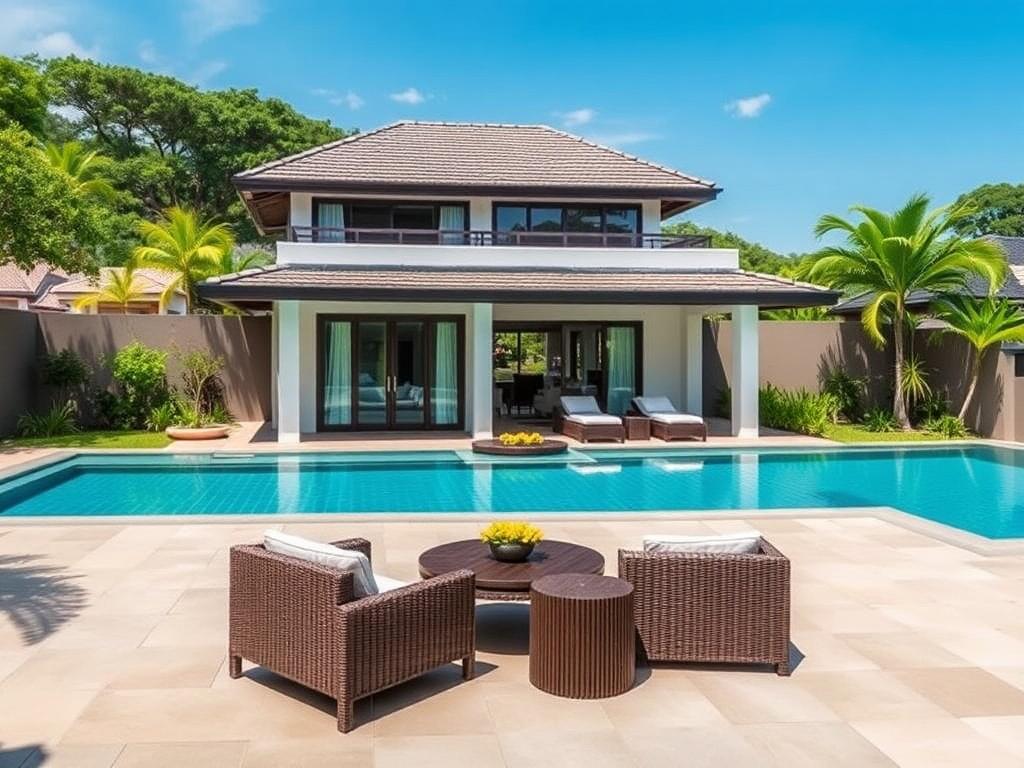
Best for: privacy, longer plots, airport access
These northern neighborhoods are good for owners seeking relaxed mornings and minimal nightlife. If your priorities include easy international connections and a quieter evening environment, this is a strong option.
Rental prospects exist—particularly in high season—but returns tend to be steadier and less price-sensitive than in party-centric zones. Owners often choose managed rentals through local property managers to reduce day-to-day hassle.
Northwest and west coast: Bang Tao, Laguna, and Surin — the premium cluster
The west coast hosts some of Phuket’s most established high-end villa communities. Bang Tao and the Laguna complex are anchors for luxury living, with integrated amenities that appeal to buyers seeking convenience and status. Bang Tao’s long beach and nearby development have drawn international buyers and long-term investors.
Laguna Phuket is a branded, mixed-use resort complex offering golf, marinas, hotels, and gated villa communities. Buyers here benefit from consistent property management, a well-known brand, and mature infrastructure. For many families and buyers focused on reliable rental yields, Laguna’s ecosystem reduces operational friction.
Surin and the northern part of the west coast promise upscale beach access with boutique restaurants and quieter beach days compared with the busier Patong. Villas in Surin often sit within landscaped compounds and attract discerning buyers looking for balance between seclusion and social life.
Best for: high-end buyers, families, reliable rental market
If you want a villa that’s easy to operate as a holiday rental or a full-service retreat, this zone is ideal. It’s also a favorite among buyers who care about golf access, brand-name resorts, and a polished neighborhood feel.
Keep in mind that premium positioning brings premium pricing and stricter development controls in some enclaves. Insist on confirmed utility capacity and proven management contracts if you plan to rent.
West central coast: Kamala and Patong — nightlife and investment upside
Patong is Phuket’s entertainment hub; bright lights, bustling streets, and a beach lined with vendors and water sports. For investors chasing high short-term rental yields and constant foot traffic, Patong will always be in the conversation. However, the trade-offs include noise, congestion, and a different lifestyle than quieter parts of the island.
Kamala sits north of Patong and offers a middle ground—more relaxed than Patong but with a lively restaurant scene. The area attracts long-stay holidaymakers and families who want easy access to entertainment without living in the thick of it. Villas here can vary from hillside retreats with sea views to smaller plots close to the village.
Best for: investors seeking high occupancy, younger buyers
In Patong and Kamala, you’ll find lots of rental demand and fast turnover, but also heavier maintenance and more intense marketing needs. If your purchase strategy relies on short-stay bookings, factor in higher operational costs and possibly more wear-and-tear.
These areas can be a good fit if you have a property management team and marketing strategy that targets the international party and active-tourist segments. For quieter retirement living, other areas may be preferable.
Central east and southeast: Phuket Town, Chalong, and approach to the island’s heart
Phuket Town is the cultural, administrative, and increasingly hip heart of the island. Boutiques, cafés, and colonial architecture give the town a different appeal than beach zones. Villas here are rarer and often sit just outside the crowded historic core in quieter residential neighborhoods.
Chalong and the southeast are more practical and service-oriented. Chalong is the hub for boating, dive centers, and yacht services—an important factor for buyers who want easy marine access. Villas in this area are popular with expats who want proximity to marinas, shopping centers, and the island’s medical facilities.
If you appreciate a cultural scene, local markets, and a more grounded, less touristy lifestyle, Phuket Town and Chalong might be the right fit. The pace is city-meets-island, which suits buyers who want balance between authenticity and modern conveniences.
Best for: culture lovers, long-term residents, service access
These neighborhoods appeal to buyers prioritizing schools, hospitals, and an authentic local rhythm. Rental potential exists, especially for longer-term stays, but the market is less driven by beach tourism than west-coast zones.
For families seeking year-round living with easy access to services, Chalong and nearby suburbs provide practical benefits that should not be underestimated.
South and southeast: Rawai, Nai Harn, and more secluded southern beaches
The southern tip of Phuket is quieter and more local in flavor, with picturesque beaches like Nai Harn and the coastal village of Rawai. These areas attract owners who want a calm environment and easy access to some of the island’s most scenic coves. The southern beaches remain popular with those seeking relaxed weekends away from the main tourist belts.
Rawai has a charming harbor area with seafood restaurants and a small marina, making it a favorite among yachting and diving enthusiasts. Nai Harn’s beach is often rated among the island’s favorites for its clean sand and sheltered bay, and the surrounding hillside communities offer villas with dramatic sea views.
Development here tends to be lower density than the west coast. Buyers should be ready for a slightly slower resale market compared with busy tourist hubs, but for private owners looking for long-term enjoyment, the trade-off is often worth it.
Best for: quieter family retreats, seclusion, boating enthusiasts
If you value calm water, less tourist congestion, and proximity to marine activities, the southern coast is a fine pick. Villas here are frequently chosen by buyers who plan private use rather than high-turnover holiday rentals.
Owners should check road quality and emergency service response times, particularly for remote properties, to ensure practical comfort during year-round stays.
East coast and Ao Po: marinas, boat access, and the quieter bay
The east coast near Ao Po Marine Pier is the island’s boating gateway to nearby islands and Phang Nga Bay. Buyers who own boats or want easy island-hopping access often choose properties around Ao Po. The area is also quieter and has several boutique developments geared toward privacy and maritime convenience.
Ao Po’s proximity to Phuket’s industrial and logistical areas means some parts are more functional than scenic, but there are pockets of attractive villa communities with good marina access. For marine-focused lifestyles—charter companies, dive-boat owners, or families with yachts—this is a strategic zone.
Best for: boat owners, marine tourism operators, private access to islands
A villa near Ao Po can be a practical base for a marine business or a private boating lifestyle. Expect a balance of quieter residential streets and commercial activity related to the maritime sector.
Because the clientele tends to be niche, rental potential is highest among guests who value convenience to boat services and island tours.
Price brackets, what to expect, and how to compare offers
Villa prices vary widely across Phuket, from modest detached homes outside resort zones to multimillion-dollar estates inside walled compounds. Location, plot size, design quality, and included services drive price much more than the number of bedrooms alone.
When comparing listings, match similar parameters: plot size, built-up area, land title type, and included furniture or equipment. A beachfront plot will carry a premium for obvious reasons, but a villa with a strong rental history in a managed enclave often commands higher valuations too.
Ask for comparative sales in the area (recently sold villas with similar characteristics) and verify those sales through independent channels or the lawyer. Real estate agents can be a help, but always validate claims about rental returns and occupancy rates with third-party records.
Financing and payment structure
Thai banks may offer mortgages to foreigners under strict conditions, but many buyers opt for cash purchases or arrange financing in their home country. Mortgage availability depends on the bank’s internal policy and the ownership structure you choose.
Common payment structures include staged payments over construction milestones for off-plan villas or a deposit plus balance on transfer for completed properties. Always insist on a watertight sales-and-purchase agreement with clear milestones, penalties for delays, and documented conditions for handover.
For international transfers, prepare paperwork proving the source of funds and be aware of Thailand’s foreign exchange documentation requirements for registering foreign ownership in condominiums.
Due diligence checklist before signing
Due diligence separates a smart purchase from a regret. Insist on clear land title documents, building permits, and confirmation there are no encumbrances such as mortgages or unresolved disputes.
Have a qualified surveyor inspect foundations, drainage, and structural integrity. Tropical climates and monsoon seasons introduce wear that non-local buyers sometimes underestimate, and a full technical inspection can reveal costly issues before purchase.
Review the utilities: water supply, electricity capacity, and sewage treatment. If the villa is outside a developed estate, factor in the cost of connecting or upgrading these services.
Suggested items for a due diligence list
- Land title and ownership confirmation
- Building permits and zoning status
- Outstanding debts, liens, or mortgages
- Past insurance claims and structural inspection
- Utility provision and road access
- Verified rental records and occupancy if buying as an investment
Practicalities of running a villa: management, maintenance, and rentals
Owning a villa is not a passive asset unless you pay someone to make it so. Management companies can handle bookings, cleaning, maintenance, and guest services—but at a price. Assess management fees against expected rental income so you don’t find profits swallowed by operating costs.
For owners who split time between Phuket and elsewhere, look for an operator that provides transparent reporting, a local team on call, and clear maintenance schedules. I’ve worked with property managers who transformed underperforming villas into consistent earners simply by improving marketing and housekeeping standards.
Maintenance planning must factor in tropical wear: outdoor furniture, pool systems, and insect control all require routine attention. Budgeting 1–2 percent of property value annually for upkeep is a conservative rule of thumb many owners use.
Comparative table: quick area snapshot
| Area | Best for | Beach proximity | Airport time | Rental potential |
| Mai Khao | Privacy, long plots | Beachfront/near | 10–20 minutes | Moderate |
| Bang Tao / Laguna | Luxury, family, golf | Beachfront/near | 20–35 minutes | High |
| Surin | Upscale beach living | Beachfront/near | 25–40 minutes | High |
| Kamala / Patong | Nightlife, short-term rentals | Beachfront/near | 25–45 minutes | Very high (seasonal) |
| Phuket Town / Chalong | Services, culture | Coastal access nearby | 20–35 minutes | Moderate |
| Nai Harn / Rawai | Quiet retreat, boating | Beachfront/near | 35–50 minutes | Moderate |
| Ao Po | Maritime access | Near marine pier | 25–40 minutes | Niche / Moderate |
Design and construction considerations for tropical villas
Tropical design is about ventilated layouts, covered outdoor living, and durable materials. Look for designs that encourage natural airflow, shaded terraces, and overhangs to protect interiors from heavy rain and sun exposure.
Pool placement and landscaping should consider drainage patterns to avoid erosion during monsoon season. Proper grading and well-planned drainage save a lot of pain and repair costs in the years after purchase.
Solar panels and water-saving systems are becoming more common and can reduce operating costs. When evaluating an existing villa, ask about insulation, glazing, and HVAC zoning, since inefficient systems will spike utility bills over time.
Practical travel and logistics: how location affects life on and off the island
Commutes, school runs, and medical access shift in importance depending on whether you plan to stay year-round. Western beaches offer stylish amenities and international schools close by, while southern and eastern pockets require longer travel to reach certain services.
Traffic can be a factor in the high season when the island hosts festivals and holiday surges. Living close to key roads or central hubs reduces travel time but often raises property prices, so weigh convenience versus cost carefully.
For frequent travelers, proximity to the airport can make a property more attractive and practical. Having a short transfer on arrival is an underrated comfort after a long flight and is often a selling point for guests too.
Tax, residency, and longer-term planning
Buying property doesn’t automatically grant residency, and Thai immigration rules govern long-term stays independently of ownership. Many foreign buyers obtain long-stay visas, retirement visas, or use business visas depending on their circumstances.
Property taxes and personal taxes related to rental income must be considered when projecting returns. Government rules change periodically, so maintain contact with a tax advisor who understands both Phuket-specific property considerations and your home-country tax obligations.
Estate planning is also important. Ensure your will and beneficiary designations reflect Thai legal structures, especially when ownership involves Thai nationals or corporate entities. Cross-border estate issues can be complex without appropriate legal foresight.
Negotiation tactics and seller motives
Understanding why a seller lists a property helps in negotiation. Motivations range from urgent relocation to speculative profit-taking, and each suggests different bargaining levers. Corporations and developers typically have less flexibility than individual owners.
It’s common to negotiate not only price but also handover conditions—furniture, appliances, pool equipment, and any outstanding service contracts. Including items in the sale can simplify early operations and provide immediate rental capability.
Always insist on written warranties for major systems and a clear inventory list if furnishings are included. These details matter in tropical climates where equipment wears more quickly and replacements can be costly.
Local regulations and community rules
Many villa developments have homeowners’ associations with rules on building color, landscaping, noise, and leasing. Review HOA documents carefully for restrictions that may affect your plans, including rules about short-term rentals. Some communities limit rental days or require management through approved operators.
Build and zoning restrictions can also limit expansion or renovation plans. If you are buying with a future remodel in mind, verify zoning and floor-area ratio rules with local authorities before you commit.
Noise and environmental regulations can affect rental viability in certain zones, particularly near protected areas. Checking local community plans and long-term development proposals helps avoid unpleasant surprises down the line.
Real-life example: a family buy in Bang Tao
A client family I advised wanted a balance of school access, beach days, and rental income. We focused on Bang Tao because it offered a family-friendly beach, reputable international schools nearby, and a proven rental market through the Laguna ecosystem. The purchase required negotiating a leasehold structure that matched the family’s long-term plans and securing a vetted management contract to handle rentals during absences.
That villa became a practical case of compromise: the family could take long weekends on the beach and still achieve steady rental occupancy when they were away. Multiple inspections and an upfront maintenance reserve minimized surprises in the first two years of ownership.
When to use a developer vs. buying resale
Off-plan purchases from developers can offer modern design, payment flexibility, and warranties, but they carry construction and delivery risk. Resale villas deliver immediate use and often reveal true operating costs, but they can require renovation.
Assess developer reputation, track record, and delivery timelines before committing to off-plan projects. For resale homes, a thorough inspection and clear recent income statements for rental properties are vital to verify claims from sellers or agents.
Buyers looking for turnkey investment often prefer development-managed properties because of bundled services. Those who want to customize or avoid management fees may favor resale homes where they have more control over design and operations.
Negotiating the final purchase and closing
Closing a villa purchase in Phuket involves coordinated steps: deposit and holding agreements, legal checks, document translations, and the final transfer at the Land Office. Work with a lawyer and a qualified conveyancer to prepare all documents in advance.
Confirm who pays which fees—transfer fees are usually shared but may be negotiated. Ensure currency transfer proof is prepared if purchasing a condo unit or confirming foreign funds for title registration, as financial documentation is increasingly scrutinized.
Finally, plan your move-in and handover. Arrange utility accounts, internet providers, and a local contact for the first weeks to handle any issues that arise during the initial occupancy period.
Final thoughts and practical next steps
Choosing among Phuket villas for sale is equal parts personal taste and practical analysis. Whether you favor the polished luxury of Laguna, the lively energy of Patong, or the secluded charm of Nai Harn, make your choice with a clear purpose and a solid legal plan.
Start with a short visit to several neighborhoods to feel the daily rhythm, meet local agents and managers, and inspect sample properties. Bring a checklist of legal, technical, and lifestyle questions so you can compare options consistently and without being swayed solely by a view.
Engage a local lawyer early, budget realistically for maintenance and management, and be frank about how often you plan to use the villa versus rent it out. To explore current listings and compare options in one place, visit https://papayaproperty.com/collections/villas-for-sale. With those pieces in place, you’ll be well equipped to find a villa that fits both your heart and your head on this captivating island.