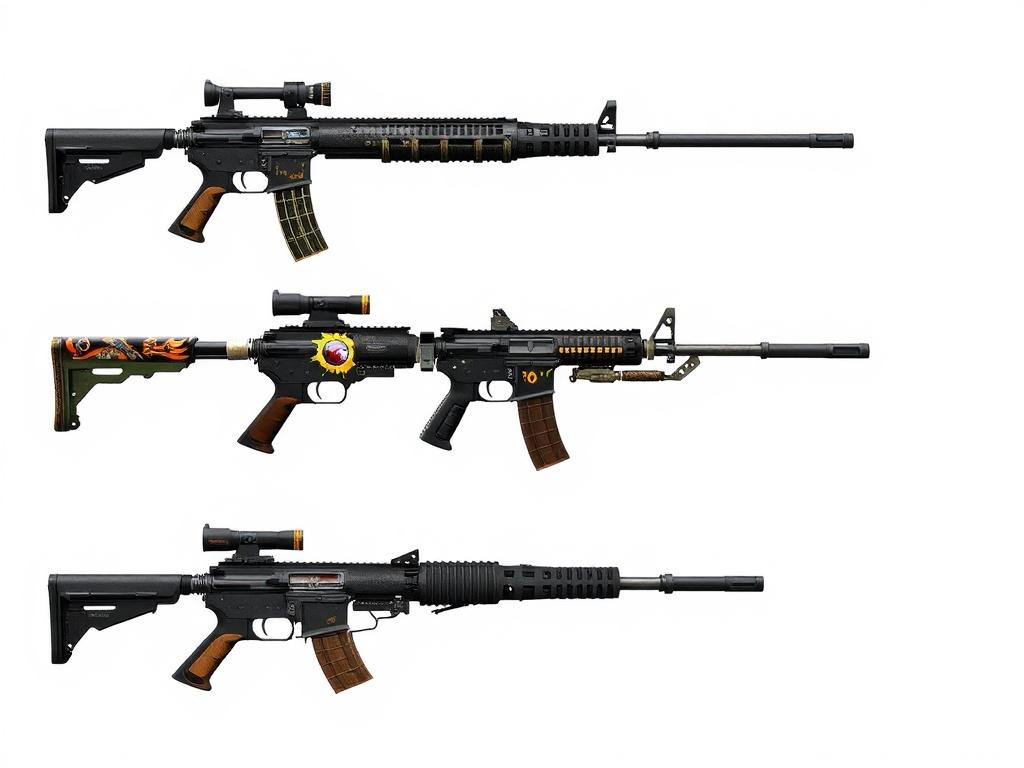
Skins for CS2 are more than digital paint on a virtual firearm; they’re the language players use to show style, skill, and savvy. Whether you’re a newcomer who opened a crate and got hooked, a trader who watches the market like a hawk, or a collector chasing that one rare pattern, this guide will walk you through the essentials: how skins work in CS2run, the factors that determine value, practical tips for buying and selling, and the small details that make a big difference. Read on for a clear, conversational tour of the topic—no jargon-heavy detours, just useful insight you can use the next time you inspect an M4A1 or scroll through your inventory.
What Exactly Are CS2 Skins?
At the simplest level, skins are cosmetic finishes for weapons in Counter-Strike 2. They change how a gun looks without altering how it performs. People collect them because they like the design, because some skins carry status in competitive play, or because they view them as investments. Within CS2’s ecosystem, skins appear inside cases, as rewards, or through direct trades and marketplace listings. Some skins also come with StatTrak counters, stickers, souvenir variants, or special pattern IDs—each adds a layer to how the item is perceived and priced.
Skins vs. Gameplay
Skins do not affect damage, recoil, or hit registration. Their entire appeal is visual and social. This separation keeps gameplay balanced while allowing the community to build a lively economy around aesthetics. That said, how a skin looks in action—on-screen contrast, visual clarity at a distance—can subtly influence a player’s choice because some finishes feel cleaner or more readable during matches.
Key Attributes That Determine a Skin’s Value
Value combines objective factors and human taste. Below is a quick summary and then a deeper look into each element.
| Attribute | Why It Matters |
|---|---|
| Rarity (Quality) | Rarer tiers like Covert or Contraband are harder to obtain and generally cost more. |
| Exterior / Float | Float value decides wear: Factory New to Battle-Scarred; lower float often boosts price. |
| Pattern Index | Some patterns create visually desirable placements (e.g., Dragon Lore’s unique look). |
| StatTrak | Keeps kill counts, making identical skins rarer and often more valuable. |
| Stickers & Souvenir | Event or player-related provenance can add steep premiums. |
Rarity and Tiers
Skins are grouped into tiers (Consumer Grade, Industrial, Mil-Spec, Restricted, Classified, Covert, and special categories like Contraband). The higher the tier, the lower the drop rate. Collectors chase the top tiers because their supply is limited by case odds, event drops, or discontinued releases.
Float Values and “Wear”
Every skin has a float value between 0.00 and 1.00. Lower floats mean less visible wear. Float determines whether a skin lands in Factory New, Minimal Wear, Field-Tested, Well-Worn, or Battle-Scarred categories. A Factory New StatTrak Covert will usually cost far more than a Battle-Scarred counterpart, even if the base pattern is identical.
Patterns, Patina, and Pattern Index
Some skins have variable patterns due to the pattern index or placement randomness. The AK-47 Redline, for instance, might show the red stripe in different positions, and certain placements can be prized. For a handful of skins (notably knives and AWP Dragon Lore), a certain look—caused by a particular pattern or sticker placement—can multiply market value overnight.
Where to Get Skins for CS2
There are four main avenues: opening cases, buying on the Steam Community Market, trading with players, and third-party marketplaces. Each has trade-offs in cost, risk, and effort.
- Opening cases: high variance, low guarantee. It’s fun but statistically inefficient as an investment.
- Steam Community Market: safest for transactions within Steam, transparent pricing, but transaction fees apply.
- Player-to-player trades: flexible and fee-free if done properly, but beware scams and miscommunication.
- Third-party marketplaces: sometimes better prices or payment methods, but you must vet reputation and withdrawal processes.
Trading Smart: Rules of Thumb
If you prefer trading, verify item details before accepting: inspect floats, check StatTrak, ask for screenshots or inspect links that show pattern indexes. Never rush a trade; scammers often use pressure tactics. Use middlemen only from trusted community resources and, when possible, perform trades through secure platforms that provide trade logs and escrow.
How to Evaluate a Skin Before Buying
Look beyond the thumbnail. Inspect the float value, examine the pattern, check whether the item is StatTrak, and verify sticker application. Compare recent market sales, not just listing prices; the last sold price is more indicative of what people will actually pay. Also consider liquidity: a rare knife might hold value but sell slowly compared to a popular AWP skin.
- Check recent sales for exact float/pattern matches.
- Confirm the listing’s trustworthiness—new sellers with high-value items can be red flags.
- Factor in Steam/market fees when calculating net cost.
- If buying off-platform, ensure clear withdrawal procedures and reputational proof.
Quick Price Checklist
| Factor | Impact on Price |
|---|---|
| Tiers and Rarity | Large impact: higher tiers multiply base price. |
| Float Value | Moderate to large: lower floats generally increase value. |
| StatTrak | Moderate: often adds 10–100% depending on skin. |
| Stickers / Souvenir | Variable: can be negligible or dramatically increase price. |
| Market Demand | High: popular skins keep prices up and are easier to sell. |
Popular Skins and Why They Matter
Some skins become cultural touchstones—and their value comes from aesthetics, history, and play. Examples include the AWP | Dragon Lore, AK-47 | Fire Serpent, and knife finishes like the Karambit | Doppler. These pieces are rare, often tied to memorable tournaments or discontinued drops, and they capture attention because of design or rarity. For many players, owning a particular skin is a way of saying, “I was there,” whether that means buying early, winning a high-stakes tournament item, or making a savvy trade.
Trend Watch: What’s Influencing Popularity
Design trends shift; minimalistic finishes rise and fall, while retro and bold colorways cycle back into fashion. Pro players and streamers also shape demand—if a popular streamer uses a skin in major matches, viewership can spike and with it, market interest. Keep an eye on esports, trend-reporting communities, and in-game events that can reintroduce older skins to new audiences.
Storing and Securing Your Inventory
Treat your inventory like any other digital asset. Use Steam Guard and two-factor authentication. Avoid sharing account details. If you use third-party sites, separate passwords and enable additional security where offered. Regularly audit your inventory and set price alerts for high-value items in case you want to sell quickly.
- Enable Steam Guard Mobile Authenticator.
- Avoid linking accounts indiscriminately to third-party sites.
- Log trade history and screenshots of high-value items for evidence in disputes.
Insurance, Backups, and Records
While you can’t insure a skin in a traditional sense, keeping clear records—screenshots, timestamps, and confirmed trade logs—helps if you ever need to contest a trade. For very high-value items, consider vocal channels and community reputation as supplemental security. Reputable traders will accept time-stamped proofs and handle exchanges transparently. On this website https://cs2run.gg you can find out more about the subjects for CS2.
Common Pitfalls and How to Avoid Them
Newcomers often fall for rushed listings, scams promising “too-good-to-be-true” bargains, or trading without double-checking floats and StatTrak status. Avoid impulse buys from unknown sellers, be wary of “middlemen” offering to expedite trades without legitimate verification, and never accept trade links sent through unverified direct messages. When in doubt, pause. The best defense against loss is a little patience and a habit of verification.
Red Flags
- Unverified third-party escrow services or middlemen.
- Sellers pressuring you to trade immediately.
- Price discrepancies that are dramatically lower than market value.
- Screenshots that can be faked instead of live inspect links or trade offers.
Making the Most of Your Collection
If you collect, decide whether you prefer completeness (every variant of a skin), rarity (chasing the rarest floats), or theme (matching cases, colors, or weapon types). If you trade, set clear rules: maximum acceptable loss, target profit margins, and liquidity thresholds. If you invest, diversify: don’t put everything into a single rare knife unless you’re prepared to hold it long-term. Your strategy should match your goals—play, profit, or pride.
Practical Tips to Improve Value
- Keep skins in lower-wear conditions when possible.
- Avoid applying stickers that could lower the appeal to future buyers unless they add provenance or rarity.
- Follow market trends and sell during peak interest (e.g., after a popular streamer features the skin).
- Document and verify each item’s attributes before listing it for sale.
Where the Market Is Heading
The CS2 skin market continues to evolve. Valve’s ecosystem changes, new cases and collections drop, and community sentiment shifts after major esports events. Digital collectibles in general are more scrutinized now, and players expect transparency and security. That means reputable marketplaces and clear inspection tools will grow in importance. For anyone involved, staying informed and cautious remains the best strategy.
Conclusion
Skins for CS2 sit at the intersection of aesthetics, community, and commerce. Understanding float values, rarity tiers, pattern indices, and market behavior will keep you from costly mistakes and help you make decisions that match your goals—whether that’s building a personal collection that looks great in your inventory, turning a profit through careful trading, or simply enjoying the thrill of a rare drop. Protect your account, verify items, and treat trades with caution; with curiosity and a bit of discipline, skins can remain an engaging part of the CS2 experience rather than a source of regret. Keep learning, inspect everything, and let your taste guide the rest.