
Welcome. If you have ever felt the rush of sprinting from one landmark to the next and then realized you barely remember the city you visited, this article is for you. Slow travel isn’t about moving slowly for the sake of it — it’s a way of traveling that prioritizes depth over breadth, curiosity over checklists, and connection over consumption. In the lines that follow, I’ll walk you through what slow travel is, why it matters, and how to do it well. Expect stories, practical tips, mistakes to avoid, and sample itineraries that will help you reshape the way you see the world.
Slow travel is both a mindset and a toolkit. It asks us to step off the accelerator, linger, and allow a place to reveal itself to us on its own timetable. That doesn’t mean you’ll see fewer things; it means you’ll notice more. The cathedral you once glanced at in a hurry becomes a story when you learn who built it and why. The small plate you ordered becomes a memory when you sit at the counter and hear the chef explain the recipe. This approach can transform your trips, your relationships, and even your sense of self.
Over the next several thousand words you’ll find practical advice, emotional reflections, and concrete examples designed to help both novice and seasoned travelers embrace slow travel. Whether you have two weeks or two months, whether you travel alone or with others, this article will give you the tools to plan and enjoy travel that lingers in the mind long after the suitcase is unpacked.
What Is Slow Travel and Why It Matters
Slow travel is an intentional approach to exploring the world. Unlike the classic whirlwind vacation where you pack in as many cities as possible, slow travel encourages longer stays in fewer places. It values experiences that require time: learning a local craft, volunteering, taking language classes, or simply sitting in a cafe and watching a neighborhood go about its day. This method helps travelers form deeper connections with places and people and allows for more meaningful cultural exchange.
But slow travel is more than romantic nostalgia for a bygone era of leisurely Grand Tours. It is a pragmatic response to the environmental and emotional costs of modern tourism. Flying around the globe for short stays increases your carbon footprint and often leaves you drained rather than enriched. Slow travel reduces frequent transit, cuts down on the number of flights, and encourages use of slower, greener transport like trains, buses, or ferries.
There’s also a psychological component. When we constantly hurry, our brains switch into short-term memory mode — we record facts, but rarely make deep emotional connections. Spending time in one place allows the brain to process sensory details, form associations, and create narratives. Months later, you won’t remember that you saw three cathedrals in one day, but you will remember the morning coffee shop where a local told you the best place to watch the sunset.
The Core Principles of Slow Travel
To make slow travel work for you, it helps to adopt a few guiding principles. These aren’t rules; they are frameworks to help you think differently about time, costs, and priorities while traveling. The first principle is intention. Know why you are taking a trip. Do you want relaxation, learning, adventure, or connection? Your answer will determine how you proceed.
The second principle is presence. Slow travel asks you to minimize distractions and be present in the moment. This doesn’t mean being offline all the time, but it does mean choosing to be fully in the place rather than living from the vantage point of your phone. The third principle is flexibility. Plans will change; the weather will surprise you; a new friend might invite you to a local festival. Slow travel thrives on adaptability.
The fourth principle is sustainability. Traveling slowly usually aligns better with environmental responsibility: fewer flights, more local consumption, and a focus on experiences rather than souvenirs. The fifth principle is reciprocity — give back, learn, and contribute ethically to the places you visit. Whether you support a small business, volunteer, or simply follow local customs with respect, slow travel is about mutual benefit.
Intention: Choosing the Why Behind the Trip
Before you even book a ticket, ask yourself why you are going. Sometimes the answer is simple: rest. Sometimes you want to learn a language, take a workshop, or meet people. Your intention will shape every decision that follows — from the length of stay to accommodation choices, and from transportation methods to the kind of activities you seek.
When I travel with the intention of learning, I sign up for a classroom or workshop early. If my goal is rest, I avoid planning every hour. Clear intentions make it easier to say no to activities that don’t fit your goals and yes to the kind of experiences that will stick with you.
Presence: How to Be Here, Really Here
Presence is about experiencing rather than merely seeing. It might sound spiritual, but it is practical: when you taste food mindfully, you remember it better. When you talk to a local and listen without checking your phone, you form a human connection that becomes a part of your trip’s narrative. Slowing down requires small sacrifices but yields large returns in memory and enjoyment.
Simple techniques help: turn off non-essential notifications, try a digital sunset where you stop using screens after a set hour, or set aside a daily half hour to write or reflect. These practices allow you to hold onto the details that make travel meaningful.
Flexibility: The Art of Letting Go
One of the hardest lessons in travel is learning to let go of rigid plans. Slow travel thrives on small surprises and detours. Maybe you miss a train and end up in a tiny village where you meet someone who invites you to a family dinner. That missed train becomes the highlight of the trip. Flexibility is not laziness; it’s a strategic willingness to allow the best experiences to find you.
Practically, being flexible means building buffer days into your itinerary, avoiding overcommitment, and being open to changing your route. Pack fewer expectations and more curiosity.
Sustainability and Reciprocity
Slow travel is naturally more sustainable than constant hopping, but it also requires conscious choices: choose local businesses over multinational chains, minimize single-use plastics, and prioritize low-impact transportation. Reciprocity is about ethical engagement — if you gain knowledge or joy from a place, find ways to give back, whether through time, money, or mindful consumption.
For many travelers, this shift also reframes what counts as success on a trip. Instead of counting sights ticked off a list, measure your journey by the people you met, the foods you tried, and how the experience broadened your understanding of the world.
Preparing for Slow Travel: Practical Steps
Preparation for slow travel is less about squeezing a lot into a short time and more about creating a structure that allows you to dwell, discover, and adapt. Here’s how to prepare so your slow travel experience is as rich and stress-free as possible.
Start with time. The more time you can give a place, the better your experience will be. Even an extra weekend can change your relationship with a city. If you can take longer blocks of time, consider sabbaticals, remote work stints, or combining business travel with an extended stay. The next step is budgeting thoughtfully: slow travel often reduces transit costs but can increase accommodation costs if you stay longer. However, long stays often qualify you for discounts from hosts or rentals.
Choosing Destinations for Slow Travel
Not every place is equally suited to slow travel, and that’s okay. Some travelers are drawn to villages with a strong local culture; others prefer mid-size cities with good public transport and access to day trips. Think about what matters: language, pace of life, cultural offerings, safety, and cost. A place where you can walk to markets, meet artisans, and join community events is often ideal for slow travel.
Consider seasonality. Visiting a destination in its off-season can give you more room to explore at your own pace and often at lower cost. Off-season travel also reduces overtourism and makes it easier to connect with locals rather than crowds of tourists.
Visas, Healthcare, and Legal Considerations
Longer stays mean you might need a visa or special permissions. Check visa rules well in advance and plan accordingly. Health precautions are also crucial — longer trips may require more comprehensive travel insurance, routine prescriptions, or seasonal vaccinations. Preparation will prevent unpleasant surprises that could truncate your trip.
Investigate local laws and customs. A respectful traveler is an ethical traveler. Learn about local norms — what’s appropriate dress in religious sites, etiquette for tipping, and rules for visiting protected sites. Showing respect opens doors and creates better experiences.
Where to Stay: Homes, Guesthouses, and Residences
Accommodation choices profoundly affect your slow travel experience. Hotels are convenient but can isolate you from the rhythm of a neighborhood. Consider alternatives: short-term apartment rentals, guesthouses, homestays, or co-living spaces. Apartments give you a kitchen and local market access, homestays immerse you in family life, and co-living can be a great way to meet other long-term travelers and locals.
When choosing a place to stay, prioritize location and comfort over luxury. A small, centrally located apartment might give you better access to life than a polished hotel that’s far from neighborhoods. Read reviews for long-term stays and ask hosts about neighborhood dynamics, laundromats, markets, and public transport options.
Packing for Slow Travel: Less Is More
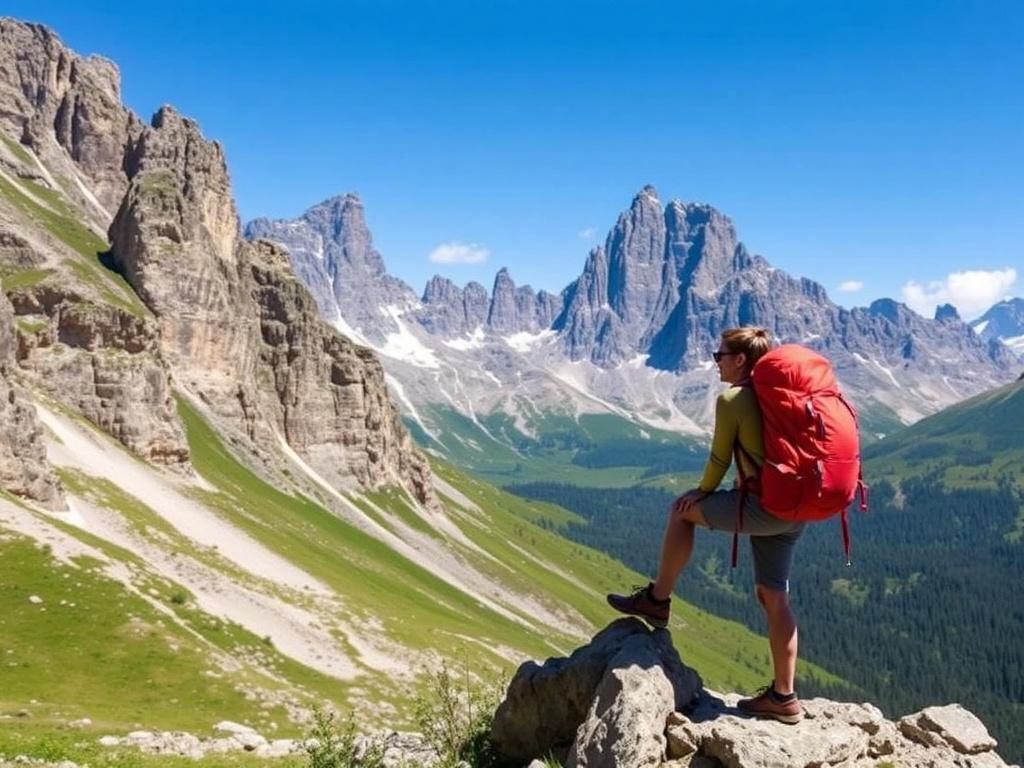
Packing for slow travel follows the paradoxical principle of bringing less to gain more. Since you’ll be in one place longer, you don’t need bulky travel systems. The focus should be on versatile clothing, reliable everyday gear, and items that help you feel settled: a favorite mug or a compact journal.
Choose durable, easy-to-care-for fabrics. Plan a capsule wardrobe that mixes and matches, and plan to do laundry locally rather than packing for every possible weather condition. Pack a lightweight day bag for exploring and a few simple comfort items that make a long stay feel like home.
Packing List Essentials
-
Layerable clothing that adapts to changing temperatures and seasons.
-
A sturdy pair of walking shoes and a lighter pair for evenings.
-
Reusable water bottle, utensils, and a cloth bag for markets.
-
Compact first-aid kit and any regular medications with prescriptions.
-
Universal adapter, portable charger, and a modest tech kit for remote work if needed.
-
A small selection of useful toiletries; buy fresh products locally to reduce luggage weight.
-
Notebook or digital journal for reflection and memory-keeping.
Remember, bigger purchases like toiletries and fresh clothes are often better bought locally. Not only does this lighten your flight luggage, but it also supports local economies and helps you discover items you didn’t know you needed.
Daily Routines: Building Rituals While Away
One of the joys of slow travel is creating a daily routine that roots you in a place. Routines give structure and a sense of home even in unfamiliar surroundings. Your routine doesn’t need to be rigid; it simply needs to offer predictable touchstones in an otherwise flexible itinerary.
Simple rituals like morning coffee at the same cafe, a daily walk through a park, or evening journaling can anchor your days. These small, repeatable actions open doors to local relationships — baristas learn your order, street vendors greet you by name, and neighbors start to notice you. Over time, the place becomes more than a backdrop; it becomes a community.
Balancing Exploration with Rest
One common mistake is overcompensating for past rushed trips by trying to cram too many activities into your slow travel schedule. Balance exploration with rest. Build free days into your week and don’t feel guilty about doing nothing. A day spent reading in a park can yield insights and a sense of well-being comparable to a museum visit.
Listen to your energy levels and be honest with travel companions about pacing. If you’re traveling longer, short bursts of intense sightseeing interspersed with slow days often work well. The aim is to maintain curiosity without burning out.
How to Meet People and Form Real Connections
Slow travel’s real power comes from human connection. When you stay somewhere longer, you have a chance to move beyond the surface and meet people who live there. These connections create the most memorable moments of any trip — shared meals, invitations to cultural events, or a spontaneous road trip with a new friend.
There are many ways to meet people: language classes, community workshops, volunteer opportunities, or neighborhood events. Shared activities create natural conversation and reduce the awkwardness of introducing yourself. Even small things like shopping at the same market or frequenting the same cafe can lead to friendships.
Practical Ways to Meet Locals
-
Take local classes — cooking, pottery, dance, or language courses offer concentrated time with locals and other travelers.
-
Volunteer with an organization you care about — it’s a way to give back and meet people who work in the community.
-
Frequent neighborhood markets, bars, and cafes — become a regular and watch relationships form naturally.
-
Use community boards and local event listings to find neighborhood gatherings and meetups.
-
Attend festivals and local religious or cultural events — these are gateways into authentic community life.
Be mindful of cultural differences and respectful in your approach. A genuine curiosity and willingness to listen go a long way toward building trust.
Working While Traveling Slowly
Many travelers today are remote workers, digital nomads, or people seeking to blend work with extended travel. Slow travel is particularly suited to this lifestyle because it allows you to settle into a routine, find comfortable workspaces, and reduce the stress of constant transitions.
Find reliable internet options before you arrive and have a backup plan: local SIM cards, co-working spaces, or cafes with strong Wi-Fi. Structure your day so that work blocks are predictable, leaving time for exploration and rest. Maintaining a clear boundary between work hours and free time increases productivity and preserves the sense of being on vacation.
Finding Work-Friendly Spaces
Co-working spaces are excellent for meeting people and maintaining productivity. Many cities have networks of co-working venues that offer day passes or monthly memberships. Libraries and community centers can also be quiet, affordable alternatives. If you prefer working from home, look for rentals with a dedicated workspace and reliable internet, and communicate your needs with hosts ahead of time.
Remember to factor time zones into your planning if you need to coordinate with colleagues or clients from other regions. Choosing a base that aligns with your work schedule can make life smoother and reduce the need for late-night or early-morning calls.
Food, Drink, and the Art of Eating Slowly
Food is one of slow travel’s richest rewards. When you linger, you can explore local cuisines beyond the tourist menus. A slow traveler learns market rhythms, chats with vendors, and samples regional specialties that never make the glossy lists of must-see eateries.
Eating with locals often leads to invitations to family meals, cooking lessons, or small gatherings. These shared experiences reveal cultural values, histories, and everyday rhythms. Food becomes a language through which you learn about a place and its people.
How to Discover Authentic Food Experiences
Start at the market. Markets are the heart of many communities — noisy, colorful, and full of stories. Talk to sellers, ask about seasonal produce, and try dishes made on-site. Look for places where locals eat rather than only tourists. Small, busy restaurants and street stalls often serve the most authentic dishes.
Join cooking classes that focus on regional techniques and ingredients. These classes are educational and social, and they teach you recipes you can take home. Don’t be afraid to ask locals for recommendations and be open to trying unfamiliar flavors.
Transportation: Getting There the Slow Way
Transportation choices are central to the slow travel ethos. Instead of jumping on short flights to maximize destinations, consider slower options that let the landscape become part of the experience. Trains, buses, ferries, and even bicycles encourage a connection to the route and reduce environmental impact.
For long distances, overnight trains or night buses can save both time and money while giving you a built-in rest. In many regions, rail networks offer scenic routes that are destinations in themselves. Choosing to travel by road or rail often leads to unexpected stops in smaller towns and familiarizing yourself with the countryside rather than only the major cities.
Sample Comparison: Fast Travel vs. Slow Travel
| Aspect | Fast Travel | Slow Travel |
|---|---|---|
| Pace | High; many stops, packed days | Moderate; fewer stops, deeper engagement |
| Cost Pattern | Higher transport costs, budget hotels | Higher accommodation for long stay, lower frequent transport costs |
| Environmental Impact | Higher (more flights) | Lower (more trains/buses, fewer flights) |
| Memory Formation | Surface-level, many fleeting impressions | Deep narratives, personal connections |
| Local Impact | Often contributes to overcrowding | Supports local economies, fosters relationships |
This table gives a simple overview of how the two approaches differ. Neither is “better” universally, but slow travel tends to be more sustainable and fulfilling for travelers seeking depth.
Safety, Security, and Common Sense
Slowing down doesn’t mean letting your guard down. Safety remains essential. Long stays may expose you to different risks — from petty theft in tourist areas to more complex legal considerations. Maintain situational awareness, keep important documents secure, and register with your embassy if recommended.
Use common-sense practices: avoid carrying all your valuables, keep copies of important documents in a secure cloud and physical form, and inform someone about your general plans. If you rent long-term, vet hosts carefully and meet them or their representatives in person. Local expat forums and community groups can be invaluable resources for reliable information.
Health and Wellbeing
Maintaining your health while traveling slowly means finding reliable healthcare and self-care routines. Research local clinics and hospitals before you need them, keep routine medications accessible, and consider telemedicine options. Mental health is equally important — homesickness and isolation can occur during long stays, especially when traveling solo. Build social connections and maintain communication with people at home.
Sleep, exercise, and nutrition matter more than you might expect. Establishing simple daily habits — a short walk, a stretching routine, or cooking a healthy meal at home — can dramatically improve your experience.
Money Matters: Budgeting for Slow Travel
Slow travel alters the budgeting landscape. You may spend less on transportation but more on accommodation and local living expenses. However, longer stays often unlock discounts: weekly or monthly rental rates, local transportation passes, and better deals on services.
Create a monthly budget that includes housing, food, transport, entertainment, health insurance, and a contingency fund. Track expenses for the first month to get a realistic sense of spending, then adjust. Consider alternative income streams if you plan to travel long-term: freelancing, teaching English, or seasonal work are common options.
Ways to Save While Traveling Slowly
-
Negotiate monthly rates for rentals — hosts often prefer longer-term tenants and may lower prices.
-
Shop at local markets and cook meals instead of always eating out.
-
Use local transport passes rather than taxis whenever possible.
-
Look for bundled activities or community classes that offer discounts for repeated participation.
-
Take advantage of off-season pricing for accommodations and attractions.
Common Mistakes and How to Avoid Them
Even seasoned travelers make mistakes when transitioning to slow travel. Awareness is the best teacher. One common error is underestimating boredom. Yes, boredom can happen when you slow down — and that’s a good thing. Learn to sit with quiet and use it as an invitation to explore smaller pleasures: an afternoon at a library, a long conversation with a neighbor, or a creative project.
Another common mistake is avoiding local food or routines because they are unfamiliar. Resist the urge to recreate home experiences everywhere. Part of slow travel’s reward is discovering new ways of living, eating, and moving through the world. Finally, many travelers forget to secure proper documentation for long stays. Don’t let bureaucratic headaches cut your trip short.
Practical Pitfalls and Fixes
-
Pitfall: Over-committing early. Fix: Leave buffer days and don’t book every weekend.
-
Pitfall: Poor accommodation choice. Fix: Prioritize comfort and location; do a short trial stay if possible.
-
Pitfall: Isolation. Fix: Join local classes, volunteer, or use co-working spaces to meet people.
-
Pitfall: Under-budgeting. Fix: Build a buffer into your monthly spending and track costs closely.
-
Pitfall: Digital distractions. Fix: Set boundaries for screen time and create tech-free rituals.
Sample Slow Travel Itineraries
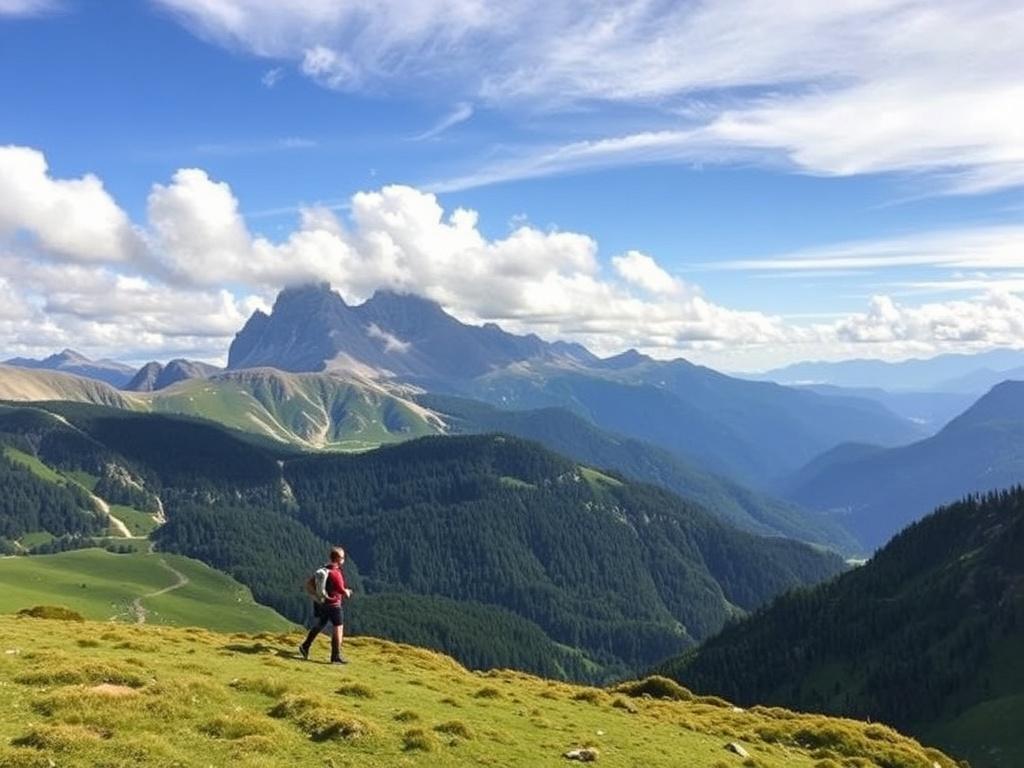
To help you visualize slow travel in action, here are a few sample itineraries for different styles and lengths of travel. These are templates — feel free to adapt them to your taste and needs.
Two-Week Slow City Escape
Week 1: Arrival and acclimatization. Choose a mid-sized city with good transport and cultural offerings. Spend the first two days settling in, finding a local grocer, and establishing a morning ritual. Take one guided tour early on to orient yourself, then spend afternoons exploring neighborhoods on foot.
Week 2: Deepen engagement. Join a local class (language or craft), cook with local ingredients, and take one day trip to a nearby village. Plan two buffer days for rest and spontaneous discoveries. End with one meaningful farewell meal and exchange contact information with new friends before you leave.
One-Month Cultural Immersion
Weeks 1–2: Establish routines and basic exploration. Find a favorite cafe, do the larger museums, and learn the transport system. Enroll in a language or craft course and begin regular practice.
Weeks 3–4: Engage in community activities. Volunteer a few hours a week with a local organization or participate in cultural events. Plan a weekend break in a nearby region to refresh perspective. Use your final days to solidify relationships and savor the small routines you’ve created.
Three-Month Slow Travel Sabbatical
Month 1: Settling phase. Focus on paperwork, health check-ins, and establishing a home base. Spend the rest of the month exploring and making initial contacts.
Month 2: Learning and contributing. Deepen relationships through courses, volunteering, or an apprenticeship. Start a personal project: write, photograph, or study something meaningful.
Month 3: Reflection and departure planning. Savor the routines you love, revisit favorite places, and document your experiences. Create a farewell ritual and plan a smooth exit that honors both the place and your time there.
Stories from Slow Travelers
Stories are the currency of travel. They reveal what books and photos cannot. I’ll share a few anonymized vignettes from travelers who embraced slow travel, each illustrating a different lesson.
There’s the story of a young teacher who spent six weeks in a coastal village learning how to fish. She traded English lessons for boat time and, by the last week, could gut and prepare a fish with the locals. The skill became a bridge into community celebrations and led to a long-term friendship that still endures today.
Then there’s the engineer who took a three-month sabbatical to learn ceramic pottery in a small mountain town. The work was slow and humbling; he kept failing with the wheel but learning patience. In those months he found a rhythm that stayed with him when he returned, reshaping how he treated stress at work.
Finally, a retired couple who spent two months in a mid-sized European city discovered that their greatest pleasure came from simple neighborhood rituals: morning walks to the bakery, afternoon chess at the park, and long dinners with neighbors. They returned home not with greener photos but with a new understanding of how to cultivate community in their own neighborhood.
Technology, Tools, and Apps for Slow Travel
While slow travel encourages presence, technology can support your experience rather than sabotage it. Use tools that help with logistics, language, and local discovery, then put them away when the moment calls for undistracted attention.
Helpful apps include local transport planners, offline map apps, translation tools for basic conversation, and budgeting apps to track expenses. Co-working space directories and community boards can help you plug into local networks. Remember to prioritize privacy and security when using public Wi-Fi, and keep backups of important documents in secure cloud storage.
Recommended App Categories
-
Offline maps and navigation
-
Local transport and timetables
-
Language translation and phrasebooks
-
Budget tracking and banking
-
Health and telemedicine options
-
Community and event listings
Slow Travel and Sustainability: How to Leave Places Better Than You Found Them
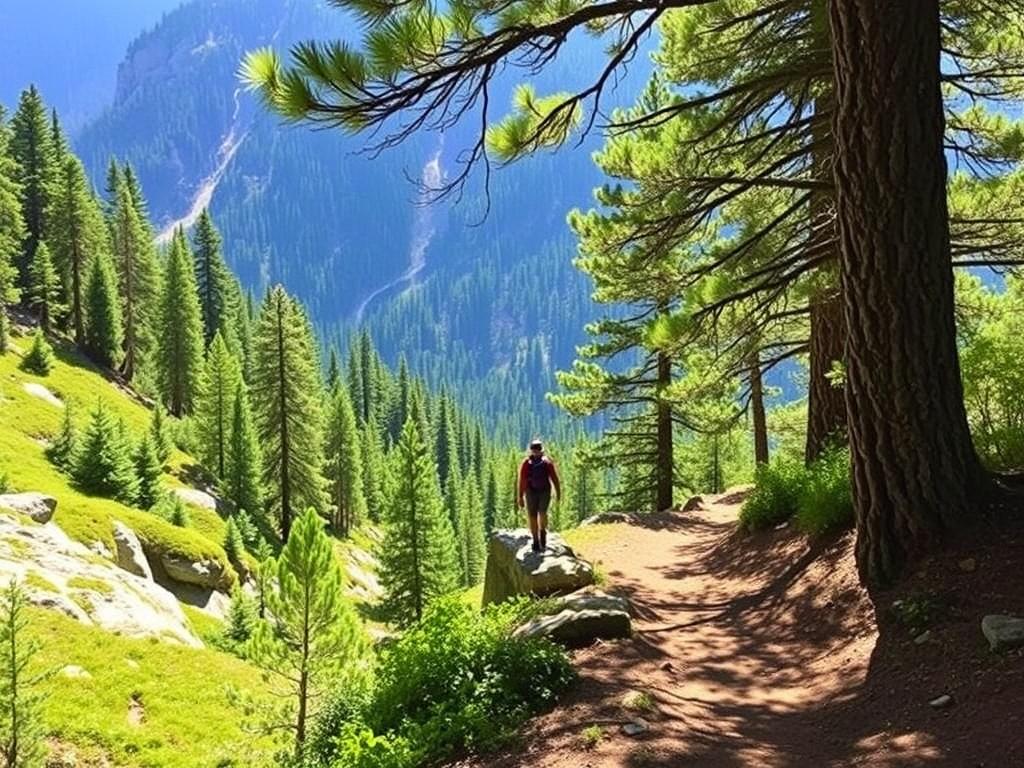
Sustainability is a moral and practical component of slow travel. When you spend time in a place, your choices matter more. Slow travel encourages you to support local businesses, reduce waste, and engage respectfully with the environment.
Simple actions have powerful ripple effects: choose local produce, avoid single-use plastics, support community-led tourism, and respect wildlife and habitats. Ask about the impact of volunteering opportunities and ensure that your actions genuinely help locals rather than exploit them.
Practical Sustainable Choices
-
Use refillable water bottles and shopping bags.
-
Prioritize locally-owned eateries and shops instead of chains.
-
Minimize flights when possible and offset unavoidable emissions responsibly.
-
Support ethical tourism operators who reinvest in the community.
-
Respect local customs and protected areas to preserve cultural and natural heritage.
Creative Projects to Make the Most of Slow Travel
Slow travel is an ideal time to start a creative project that requires attention and continuity. Whether you write, photograph, paint, or build, the extended time and new stimuli make creativity easier. Projects add depth to your experience and give you something substantive to take home beyond souvenirs.
Start small: a daily photo challenge, a blog, or a themed journal. If you prefer physical creation, try a craft class or a community art project. These pursuits often lead to connections with locals and other travelers and give your time the satisfying arc of progress and completion.
Project Ideas
-
Daily journal with one photo and one paragraph of reflection.
-
Cooking project: master three regional dishes and host a small dinner.
-
Language challenge: reach a conversational level in a month and document the process.
-
Volunteer mapping project: help local NGOs catalog resources or needs.
-
Photo series focused on neighborhood life or a single theme across the stay.
Bringing Slow Travel Home: Integrating the Lessons
Slow travel doesn’t end when the plane lands. The best part of this approach is the way it reshapes you. Returning home with the competencies of deep listening, appreciation for routine, and a slower pace can improve relationships and reduce stress. The trick is to intentionally integrate what you learned abroad into daily life.
Create home rituals that mirror your favorite practices from travel: cook the dishes you learned, keep a weekly market ritual, or maintain a short writing practice. If you made friendships, sustain them. If a community practice moved you, adapt it locally. The goal is to let slow travel’s lessons bloom in your everyday life, making both travel and home life richer.
Practical Steps for Integration
-
Keep a travel journal accessible and revisit it monthly to recall lessons and inspirations.
-
Schedule regular “slow days” where you disconnect and emulate travel rhythms.
-
Apply budgeting techniques you learned abroad to curtail impulse spending at home.
-
Start a local community group focused on shared activities like cooking nights or language exchange.
-
Plan future slow trips periodically so that slow travel is part of an ongoing lifestyle rather than a one-off indulgence.
Final Thoughts: Why Slow Travel Changes You
Slow travel changes you because it trains you to value depth over speed. It teaches patience, empathy, and curiosity. Time is the secret ingredient of meaningful travel. The more you give a place your time, the more it gives back: stories, friends, rituals, and a sense of belonging. These returns are quiet but profound. They alter your relationship to the world and to yourself.
Travel speed is a choice. The world is wide and urgent, but the best way to meet it is often to pause, breathe, and listen. Slow travel is not just a way to travel — it’s a way to live more lightly, think more clearly, and connect more deeply. If you leave with one piece of advice, let it be this: stay a little longer, talk to one more person, eat the unfamiliar dish, and let the place teach you its small secrets. You will come home with more than photographs; you will return with stories, practices, and friendships that last.
Resources and Further Reading
If you want to dive deeper, here are some directions to continue your learning. Visit library guides on travel anthropology, sustainability in tourism, and narratives of place. Look for community-based tourism organizations and slow travel networks that offer workshops and local contacts. Seek out memoirs and essays by travelers who spent months living in specific towns — their experience will help you imagine your own long stays.
Above all, remember that slow travel is personal and adaptable. Use frameworks, but make the journey your own. Allow the pace to match your life and relish the transformation that comes from travel that takes time.